Buy زنا.com ?
We are moving the project
زنا.com .
Are you interested in purchasing the domain
زنا.com ?
domain@kv-gmbh.de · 0541-91531010
Buy زنا.com ?
How can reducing and non-reducing sugars be detected?
Reducing sugars can be detected using Benedict's test, in which the reducing sugar is heated with Benedict's reagent and a color change from blue to green, yellow, orange, or red indicates the presence of reducing sugars. Non-reducing sugars can be detected by first hydrolyzing them into reducing sugars using acid hydrolysis, and then performing the Benedict's test to detect the presence of reducing sugars. Another method to detect reducing and non-reducing sugars is through chromatography, where the sugars are separated based on their interactions with a stationary phase and a mobile phase, and then visualized using specific detection methods. **
Are halogens reducing agents?
No, halogens are not reducing agents. In chemical reactions, reducing agents are substances that donate electrons to other reactants, causing them to be reduced. Halogens, on the other hand, are highly electronegative elements that tend to gain electrons rather than lose them, making them more likely to act as oxidizing agents. **

Similar search terms for Reducing
Top-Angebote
Products related to Reducing:
-
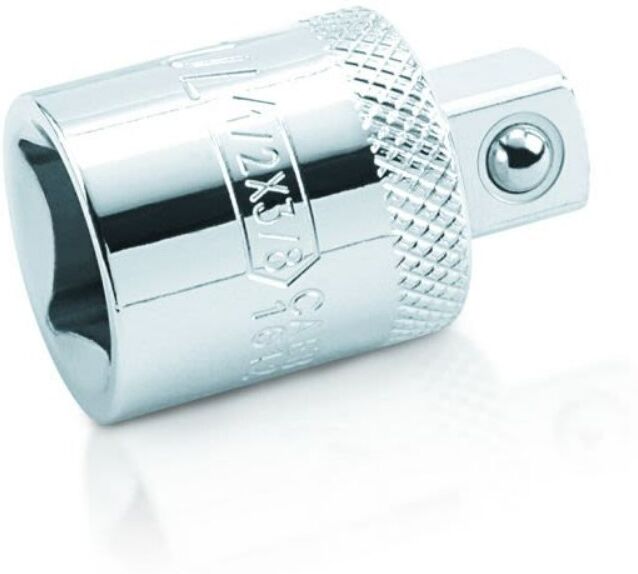
VIGOR V2109 Reducing Adapter, ratchetLength 2 [mm]: 36; Hex drive tang dim. [mm (in)]: 10 (3/8); Operating Mode: Manual (hand operated); Square Drive Tang Size [mm (inch)]: 12.5 (1/2); Drive side (profile): Rectangle; Supplementary Info: Adapter 16,29 £*Shipping: 8,45 £Secure redirect to the provider
-
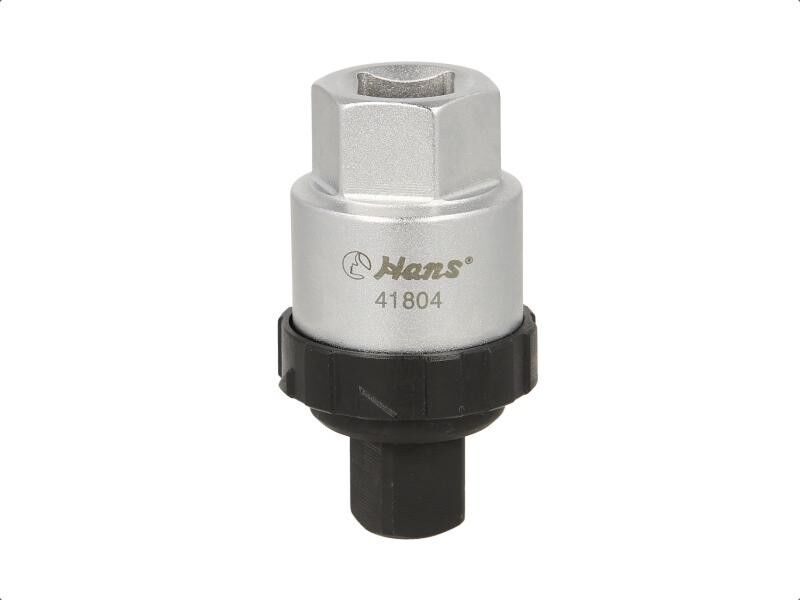
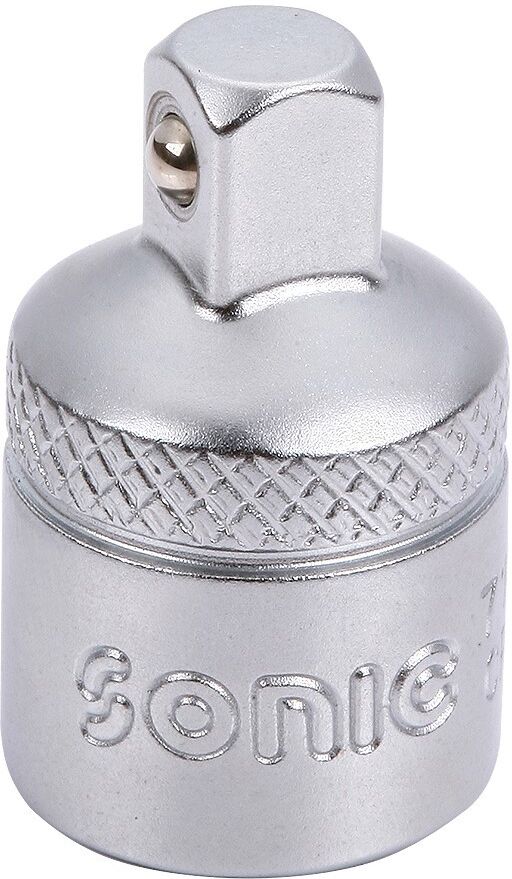
HAZET 9007S Reducing Adapter, ratchetOperating Mode: for machine actuation; Net weight [kg]: 0,1; Length [mm]: 37; Material: Chrome Vanadium Steel, Nickel-Chrome-Molybdenum; Surface: Phosphatized, Oiled; DIN/ISO: DIN 3121; Drive side (profile): Rectangle; Square Drive Tang Size [mm (inch)]: 12.5 (1/2); Output end (profile): Rectangle; Square drive tang dimensions [mm (in)]: 10 (3/8)20,49 £*Shipping: 8,45 £Secure redirect to the provider


-
When is sugar reducing?
Sugar is reducing when it undergoes a chemical reaction that breaks down its molecular structure, resulting in a decrease in its overall concentration. This reduction can occur when sugar is heated, such as when caramelizing sugar to make caramel, or when sugar is fermented by yeast to produce alcohol. Additionally, sugar can also be reduced through enzymatic reactions, where enzymes break down sugar molecules into simpler forms. **
-
What does reducing mean?
Reducing means to make something smaller, decrease in size, quantity, or intensity. It can also refer to simplifying or streamlining a process or system. In mathematics, reducing involves simplifying a fraction or expression to its simplest form. Overall, reducing involves minimizing or decreasing something to a more manageable or efficient state. **
-
What are reducing sugars?
Reducing sugars are a type of sugar that have the ability to reduce other substances, particularly by donating electrons. This is due to the presence of a free aldehyde or ketone group in their chemical structure. Common examples of reducing sugars include glucose, fructose, and maltose. When reducing sugars react with certain compounds, they can cause a color change, such as in the Benedict's test for detecting the presence of reducing sugars. **
-
Is sucrose a reducing sugar?
Sucrose is not a reducing sugar because it does not have a free aldehyde or ketone group that can participate in the reduction reaction. Sucrose is a disaccharide composed of glucose and fructose linked together by a glycosidic bond, which prevents it from being able to undergo the typical reactions of reducing sugars. **


What is a reducing effect?
A reducing effect refers to the ability of a substance to donate electrons or hydrogen atoms to another substance, thereby causing a reduction reaction. This process results in the reduction of the other substance, which gains electrons or hydrogen atoms. Substances with reducing effects are often referred to as reducing agents and play a crucial role in various chemical reactions, including redox reactions. **
What is non-reducing sugar?
Non-reducing sugars are carbohydrates that do not have a free aldehyde or ketone group, which is necessary for the reducing sugar reaction. This means they cannot reduce other substances, such as Fehling's solution or Benedict's solution. Non-reducing sugars include disaccharides like sucrose, which is made up of glucose and fructose molecules bonded together in a way that does not allow them to open up and form a free aldehyde or ketone group. **
Top-Angebote
Products related to Reducing:
-
Amistad Act Like a Lady, Think Like a Man, Expanded Edition: What Men Really Think About Love, Relationships, Intimacy, and CommitmentThe #1 New York Times smash bestseller Revised and expanded with new material. With over two million copies sold, Act Like a Lady, Think Like a Man has become a bestseller around the world. In conjunction with its second movie sequel to be released this summer, Steve Harvey has updated his classic with new advice and insights. Whether it’s why women should enforce a “90-Day Probation Period” before they give their men sexual “benefits”―the way Ford motor company withholds medical and dental benefits until an employee has been on the job for 3 months―or explaining to women why men would rather “fix it” than talk about it, Steve Harvey’s advice is always spot-on and laden with warmth and humor. But behind the laughter is his sincere desire to help women understand how men think. Now, Steve shares even more practical dating advice. Does it feel like your man’s friends are against you? What should you know about being a wife, before you say “I Do”? Steve provides the answers to these questions and more, and offers new insights including: How to put spice into your relationship 8 sure-fire ways to keep your cool when his “ex” shows up A test for you and your partner, to see if you’re actually ready for marriage. . . or need more time A 90-day abstinence calendar, and tips for making it through this important trial period With liberal use of his own adventures in love and courtship, Act Like a Lady, Think Like a Man is an honest, compelling, and realistic examination of how men think about love and relationships, and what women need to know so that they can set realistic expectations of the men in their life.4,90 £*Shipping: 1,99 £Secure redirect to the provider
-
VIGOR V2109 Reducing Adapter, ratchetLength 2 [mm]: 36; Hex drive tang dim. [mm (in)]: 10 (3/8); Operating Mode: Manual (hand operated); Square Drive Tang Size [mm (inch)]: 12.5 (1/2); Drive side (profile): Rectangle; Supplementary Info: Adapter 16,29 £*Shipping: 8,45 £Secure redirect to the provider
-
How can reducing and non-reducing sugars be detected?
Reducing sugars can be detected using Benedict's test, in which the reducing sugar is heated with Benedict's reagent and a color change from blue to green, yellow, orange, or red indicates the presence of reducing sugars. Non-reducing sugars can be detected by first hydrolyzing them into reducing sugars using acid hydrolysis, and then performing the Benedict's test to detect the presence of reducing sugars. Another method to detect reducing and non-reducing sugars is through chromatography, where the sugars are separated based on their interactions with a stationary phase and a mobile phase, and then visualized using specific detection methods. **
-
Are halogens reducing agents?
No, halogens are not reducing agents. In chemical reactions, reducing agents are substances that donate electrons to other reactants, causing them to be reduced. Halogens, on the other hand, are highly electronegative elements that tend to gain electrons rather than lose them, making them more likely to act as oxidizing agents. **
-
When is sugar reducing?
Sugar is reducing when it undergoes a chemical reaction that breaks down its molecular structure, resulting in a decrease in its overall concentration. This reduction can occur when sugar is heated, such as when caramelizing sugar to make caramel, or when sugar is fermented by yeast to produce alcohol. Additionally, sugar can also be reduced through enzymatic reactions, where enzymes break down sugar molecules into simpler forms. **
-
What does reducing mean?
Reducing means to make something smaller, decrease in size, quantity, or intensity. It can also refer to simplifying or streamlining a process or system. In mathematics, reducing involves simplifying a fraction or expression to its simplest form. Overall, reducing involves minimizing or decreasing something to a more manageable or efficient state. **
Similar search terms for Reducing
-
HAZET 9007S Reducing Adapter, ratchetOperating Mode: for machine actuation; Net weight [kg]: 0,1; Length [mm]: 37; Material: Chrome Vanadium Steel, Nickel-Chrome-Molybdenum; Surface: Phosphatized, Oiled; DIN/ISO: DIN 3121; Drive side (profile): Rectangle; Square Drive Tang Size [mm (inch)]: 12.5 (1/2); Output end (profile): Rectangle; Square drive tang dimensions [mm (in)]: 10 (3/8)20,49 £*Shipping: 8,45 £Secure redirect to the provider
-
HAZET 1107S Reducing Adapter, ratchetOperating Mode: for machine actuation; Net weight [kg]: 0,57; Length [mm]: 70; Material: Chrome Vanadium Steel, Nickel-Chrome-Molybdenum; Surface: Phosphatized, Oiled; DIN/ISO: DIN 3121; Drive side (profile): Rectangle; Square Drive Tang Size [mm (inch)]: 25 (1); Bolt Head-/Nut Design: Hybrid special profile (Mercedes-Benz)56,99 £*Shipping: 8,45 £Secure redirect to the provider
-
What are reducing sugars?
Reducing sugars are a type of sugar that have the ability to reduce other substances, particularly by donating electrons. This is due to the presence of a free aldehyde or ketone group in their chemical structure. Common examples of reducing sugars include glucose, fructose, and maltose. When reducing sugars react with certain compounds, they can cause a color change, such as in the Benedict's test for detecting the presence of reducing sugars. **
-
Is sucrose a reducing sugar?
Sucrose is not a reducing sugar because it does not have a free aldehyde or ketone group that can participate in the reduction reaction. Sucrose is a disaccharide composed of glucose and fructose linked together by a glycosidic bond, which prevents it from being able to undergo the typical reactions of reducing sugars. **
-
What is a reducing effect?
A reducing effect refers to the ability of a substance to donate electrons or hydrogen atoms to another substance, thereby causing a reduction reaction. This process results in the reduction of the other substance, which gains electrons or hydrogen atoms. Substances with reducing effects are often referred to as reducing agents and play a crucial role in various chemical reactions, including redox reactions. **
-
What is non-reducing sugar?
Non-reducing sugars are carbohydrates that do not have a free aldehyde or ketone group, which is necessary for the reducing sugar reaction. This means they cannot reduce other substances, such as Fehling's solution or Benedict's solution. Non-reducing sugars include disaccharides like sucrose, which is made up of glucose and fructose molecules bonded together in a way that does not allow them to open up and form a free aldehyde or ketone group. **
* All prices are inclusive of VAT and, if applicable, plus shipping costs. The offer information is based on the details provided by the respective shop and is updated through automated processes. Real-time updates do not occur, so deviations can occur in individual cases. ** Note: Parts of this content were created by AI.